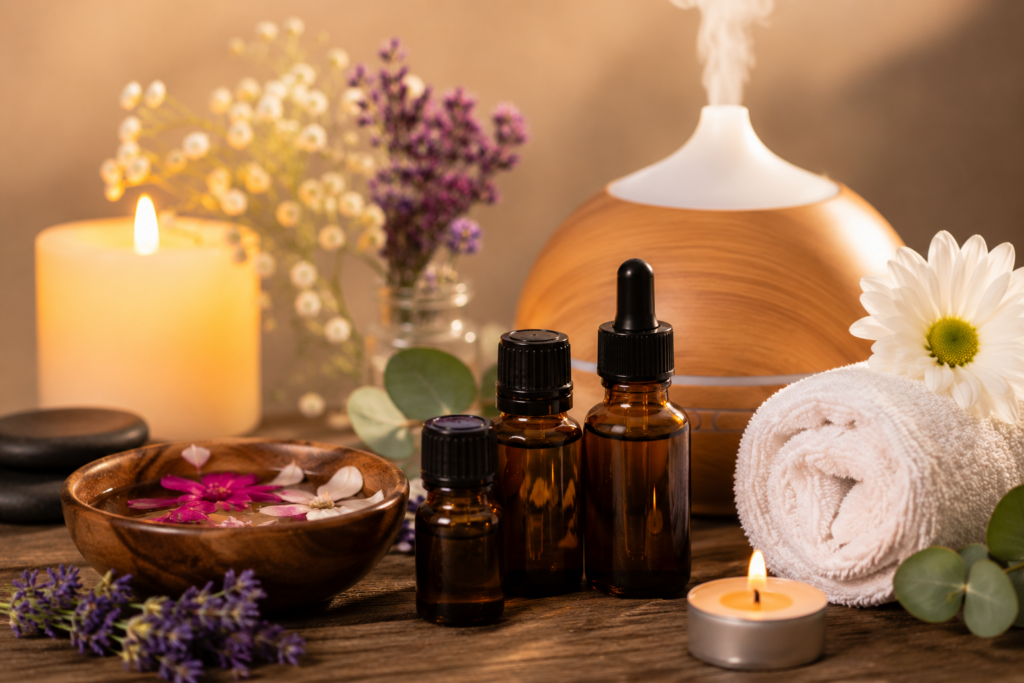
Aromatherapy Massage: Benefits, Essential Oils, Scientific Evidence, and Modern Applications
Aromatherapy massage is a holistic therapeutic approach that combines traditional massage techniques with the use of carefully selected essential oils extracted from aromatic plants. This form of complementary therapy has become increasingly popular in wellness centers, rehabilitation clinics, luxury spas, and integrative healthcare settings worldwide.
Essential oils have been used for centuries in various cultures to promote relaxation, improve mood, and support overall well-being. Today, aromatherapy massage continues to be studied for its potential effects on stress reduction, sleep quality, pain management, and psychological health.
Definition
Aromatherapy massage is a massage therapy technique that incorporates diluted essential oils into the massage process. The oils are typically blended with carrier oils such as sweet almond oil, jojoba oil, grapeseed oil, or coconut oil before being applied to the skin.
During treatment, the therapeutic effects may occur through two primary pathways:
• Absorption of essential oil components through the skin.
• Inhalation of aromatic compounds that stimulate the olfactory system and influence the limbic system of the brain.
Massage therapists carefully select essential oils according to the individual’s goals, preferences, and overall wellness objectives.
Common Essential Oils Used in Aromatherapy Massage
Several essential oils are frequently incorporated into professional aromatherapy massage treatments.
Lavender
Widely recognized for its calming properties, lavender essential oil is commonly used to promote relaxation, improve sleep quality, and reduce feelings of stress.
Peppermint
Peppermint oil provides a cooling sensation and is often used to help relieve muscle fatigue and improve mental alertness.
Eucalyptus
Eucalyptus essential oil is frequently chosen for its refreshing aroma and its traditional use in supporting comfortable breathing and post-exercise recovery.
Sweet Orange
Sweet orange oil offers a pleasant citrus fragrance that may contribute to improved mood and emotional well-being.
Chamomile
Chamomile essential oil is valued for its gentle aroma and is commonly used during relaxation-focused massage sessions.
Therapeutic Benefits
Stress Reduction
Aromatherapy massage is most commonly associated with relaxation. The combination of therapeutic touch and pleasant aromas may help reduce stress while promoting a sense of calm and emotional balance.
Improved Sleep Quality
Several essential oils, particularly lavender, have been studied for their potential role in improving sleep quality. Individuals experiencing occasional sleep disturbances may benefit from relaxation-oriented massage sessions.
Muscle Relaxation
Massage techniques combined with aromatic oils may help decrease muscular tension, allowing individuals to experience improved comfort following physical activity or prolonged periods of sitting.
Enhanced Emotional Well-Being
Pleasant aromas may positively influence mood by stimulating the olfactory system, which is closely connected to brain regions involved in emotion and memory.
Improved Wellness Experience
Many individuals report that aromatherapy massage provides a more enjoyable and immersive treatment experience compared with massage alone.
Research Findings
Scientific interest in aromatherapy massage has increased considerably during the past two decades.
Several systematic reviews have reported that aromatherapy massage may reduce anxiety, perceived stress, and pain in certain patient populations. Lavender essential oil has received particular attention for its potential calming effects and its ability to improve sleep quality.
Clinical studies have also suggested that aromatherapy massage may benefit individuals undergoing rehabilitation, postoperative recovery, palliative care, and chronic pain management by enhancing relaxation and improving overall quality of life.
Although current evidence supports several positive outcomes, researchers emphasize that aromatherapy massage should be considered a complementary wellness therapy rather than a replacement for evidence-based medical treatment.
Current Applications
Today, aromatherapy massage is widely incorporated into numerous professional healthcare and wellness environments.
Common applications include:
• Wellness centers
• Luxury spas
• Physical therapy clinics
• Sports recovery facilities
• Rehabilitation centers
• Integrative medicine clinics
• Corporate wellness programs
• Hospitality and resort environments
Many wellness providers also offer Women’s-Only Aromatherapy Massage services that provide a comfortable, private, and personalized environment focused on relaxation and individual care.
Professional Perspective
Aromatherapy massage combines the physiological benefits of therapeutic massage with the sensory experience of essential oils. While scientific research continues to investigate the precise biological mechanisms involved, current evidence suggests that aromatherapy massage may contribute to stress reduction, relaxation, improved sleep quality, and enhanced emotional well-being.
Healthcare professionals increasingly recognize aromatherapy massage as a valuable complementary therapy that may support overall wellness when integrated with healthy lifestyle habits, regular physical activity, and appropriate medical care.
When performed by qualified massage therapists using properly diluted essential oils, aromatherapy massage remains a safe and enjoyable option for individuals seeking relaxation and supportive wellness care.
About Sports Massage Association
Sports Massage Association is an educational platform dedicated to evidence-based sports massage, rehabilitation, anatomy, manual therapy, and wellness education.
Our mission is to provide accurate, research-supported information for massage therapists, healthcare professionals, athletes, and individuals interested in musculoskeletal health. All educational content is developed using peer-reviewed scientific literature and internationally recognized clinical resources.
References
- Lee MS, Choi J, Posadzki P, Ernst E. Aromatherapy for Health Care: An Overview of Systematic Reviews.
PubMed:
https://pubmed.ncbi.nlm.nih.gov/22612017/
- Perry R, Terry R, Watson LK, Ernst E. Is Lavender an Anxiolytic Drug? A Systematic Review.
PubMed:
https://pubmed.ncbi.nlm.nih.gov/28511598/
- National Library of Medicine (PubMed)
https://pubmed.ncbi.nlm.nih.gov
- International Journal of Aromatherapy
https://www.sciencedirect.com/topics/medicine-and-dentistry/aromatherapy